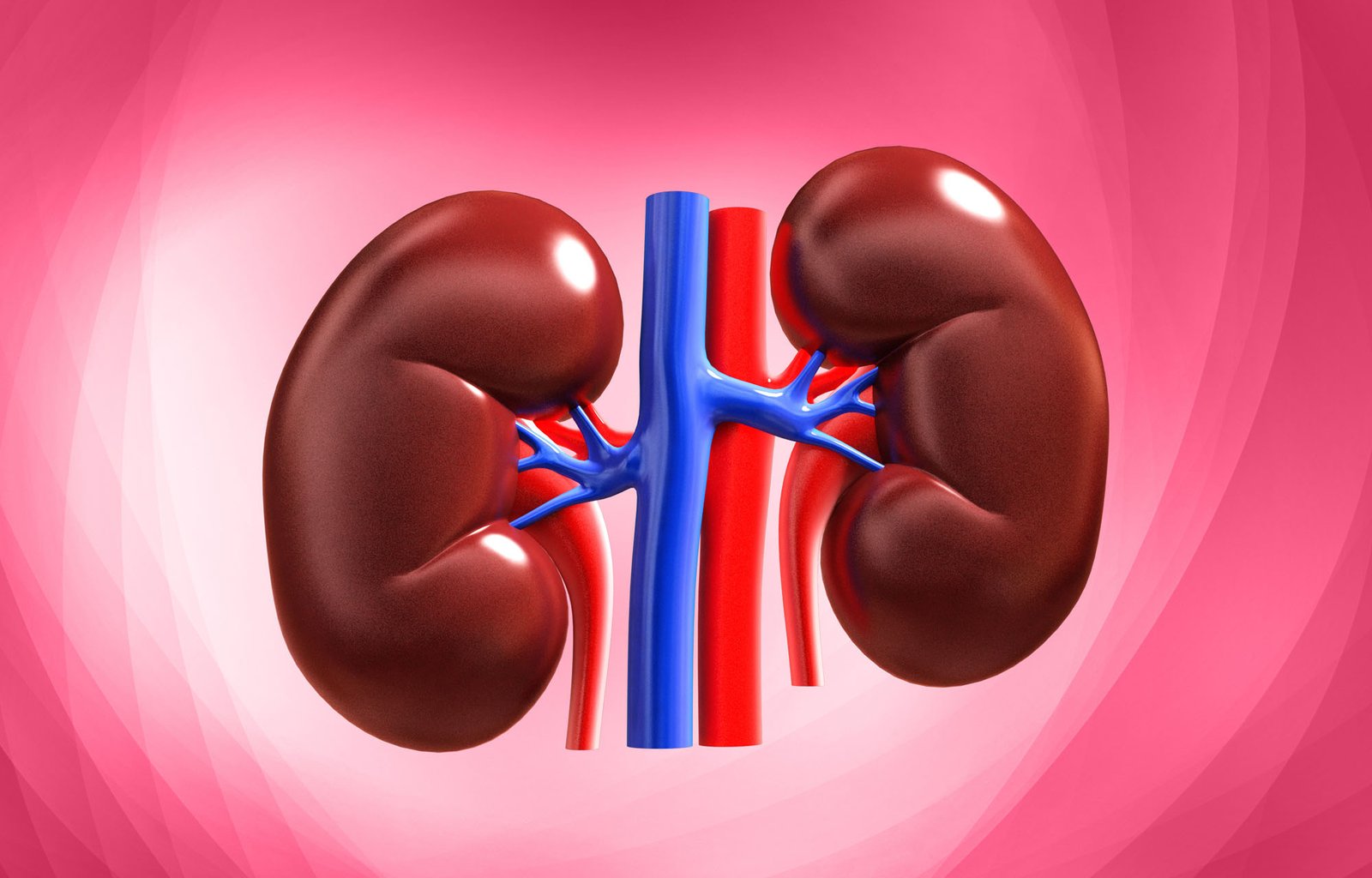
##Introduction Often overshadowed by the heart and lungs, your kidneys are the ultimate multitaskers of the human body. These two bean-shaped organs, each about the size of a fist, work 24/7 to keep your internal environment stable. Because kidney disease often shows no symptoms until it is advanced, understanding how they work is the first step in life-long prevention.
-
The Filtration Fact: Nature’s Most Efficient Filter Every single day, your kidneys process approximately 120 to 150 quarts of blood. Their primary job is to filter out waste products and excess water, turning them into urine. Without this constant "housecleaning," toxins would build up in your bloodstream, leading to a condition called uremia, which can be life-threatening. They also balance electrolytes like sodium, potassium, and calcium, which are vital for your muscles and nerves to function.
-
The Blood Pressure Connection Many people are surprised to learn that their kidneys play a leading role in heart health. Your kidneys produce a hormone called renin, which helps regulate your blood pressure. When your kidneys aren't functioning correctly, they can’t control the pressure in your arteries, leading to hypertension. Conversely, high blood pressure is one of the leading causes of kidney failure—it’s a two-way street that requires careful monitoring.
-
Early Warning Signs: What to Look For Because kidneys are "silent" workers, damage can go unnoticed. However, your body may send these subtle signals:
Changes in Urination: Going more or less often, or seeing foamy/bloody urine.
Persistent Fatigue: When kidneys fail, toxins build up, making you feel tired or weak.
The "Puffiness" Factor: If your kidneys aren't removing enough sodium, you might notice swelling (edema) in your ankles, feet, or puffiness around your eyes.
- Prevention Tips: Guarding Your Renal Health The best way to care for your kidneys is through mindful daily habits:
Watch the Salt: High sodium intake increases blood pressure and stresses the filtration system.
Stay Hydrated: Water helps the kidneys clear sodium and toxins from the blood.
Be Careful with OTC Painkillers: Common Over-The-Counter (OTC) drugs like Ibuprofen (Advil, Motrin) and Naproxen (Aleve) can cause kidney damage if taken too frequently. Always consult your doctor if you find yourself relying on these daily for chronic pain.
##Conclusion Your kidneys are resilient, but they aren't invincible. By managing your blood pressure, staying hydrated, and being cautious with medications, you can ensure these silent heroes keep protecting you for decades to come.